









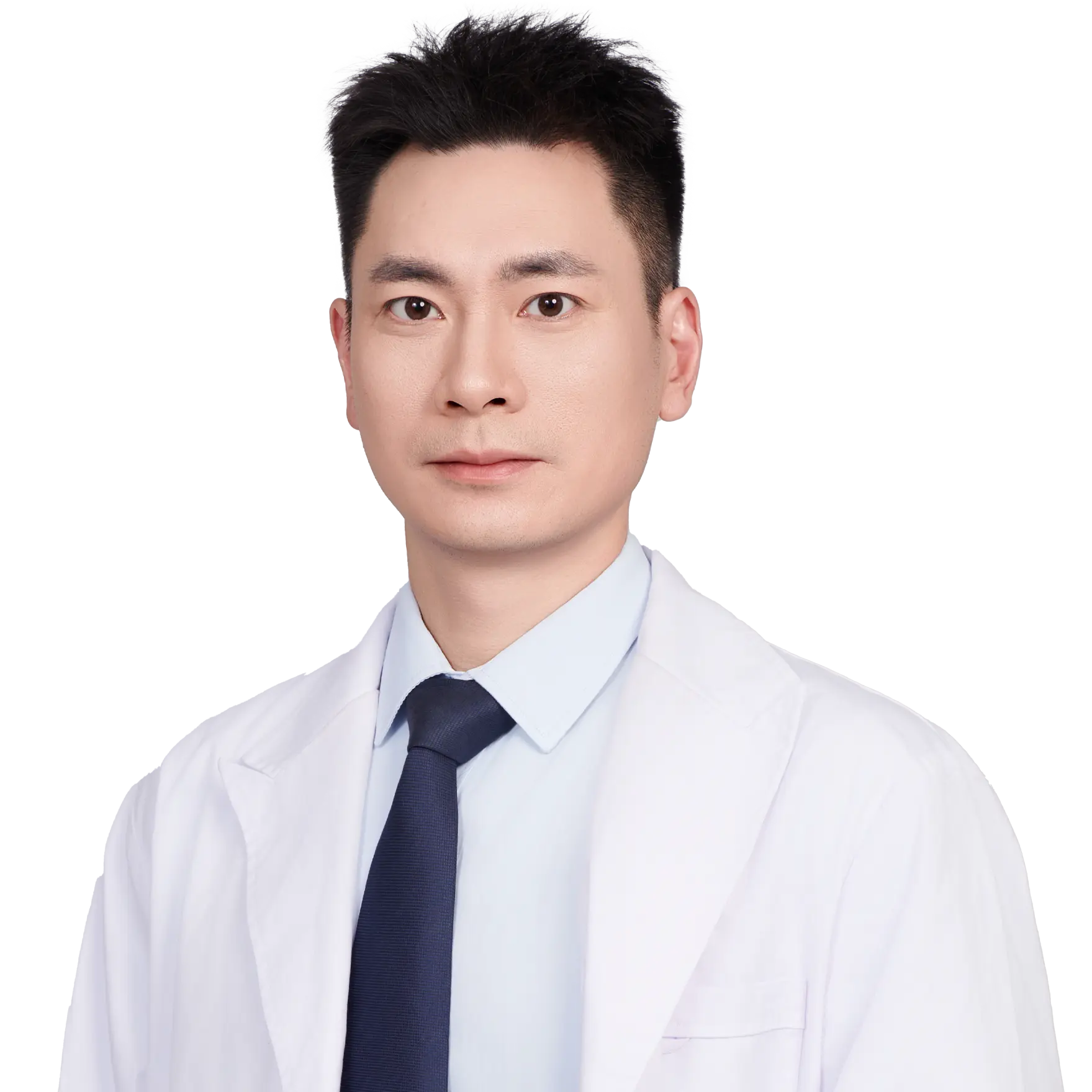
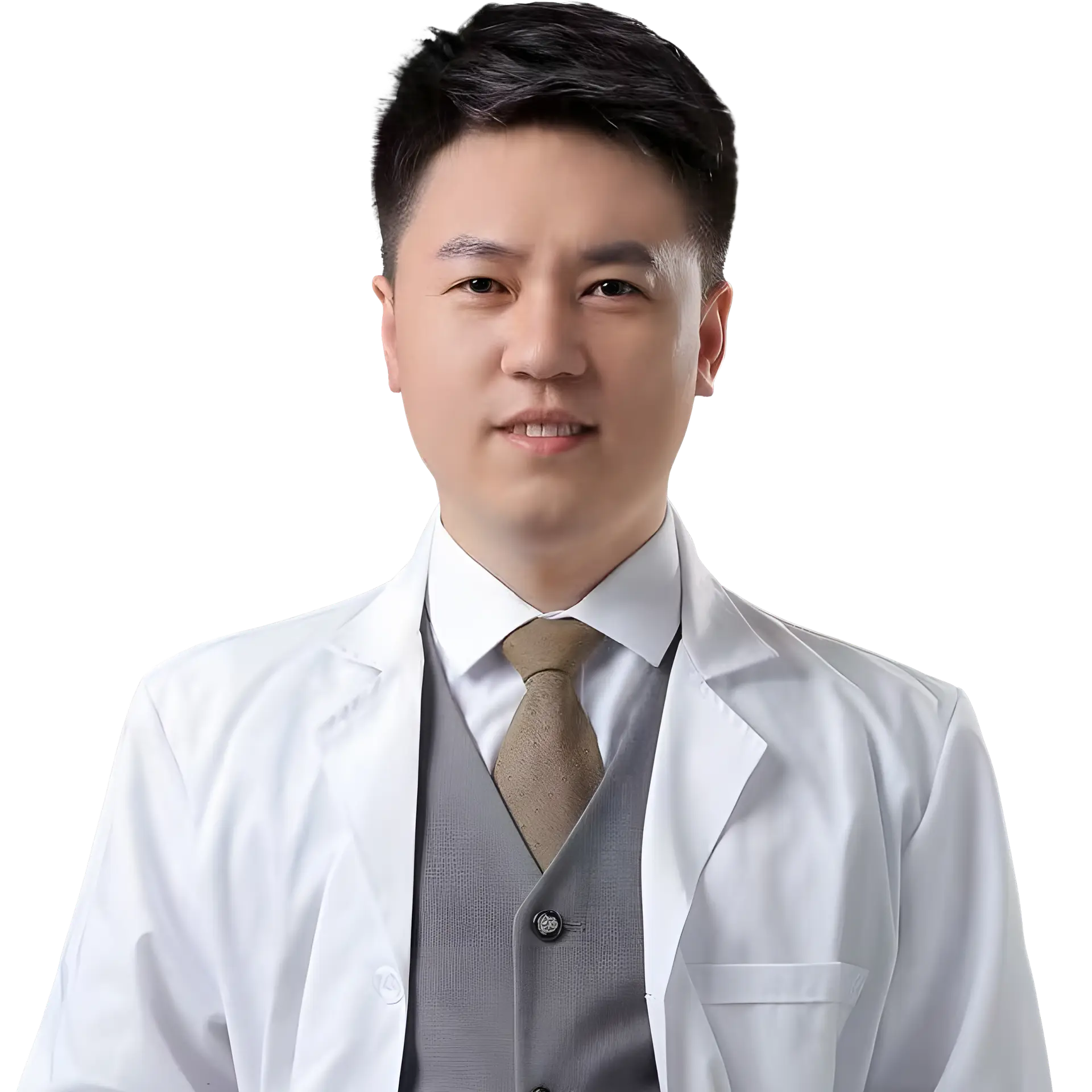
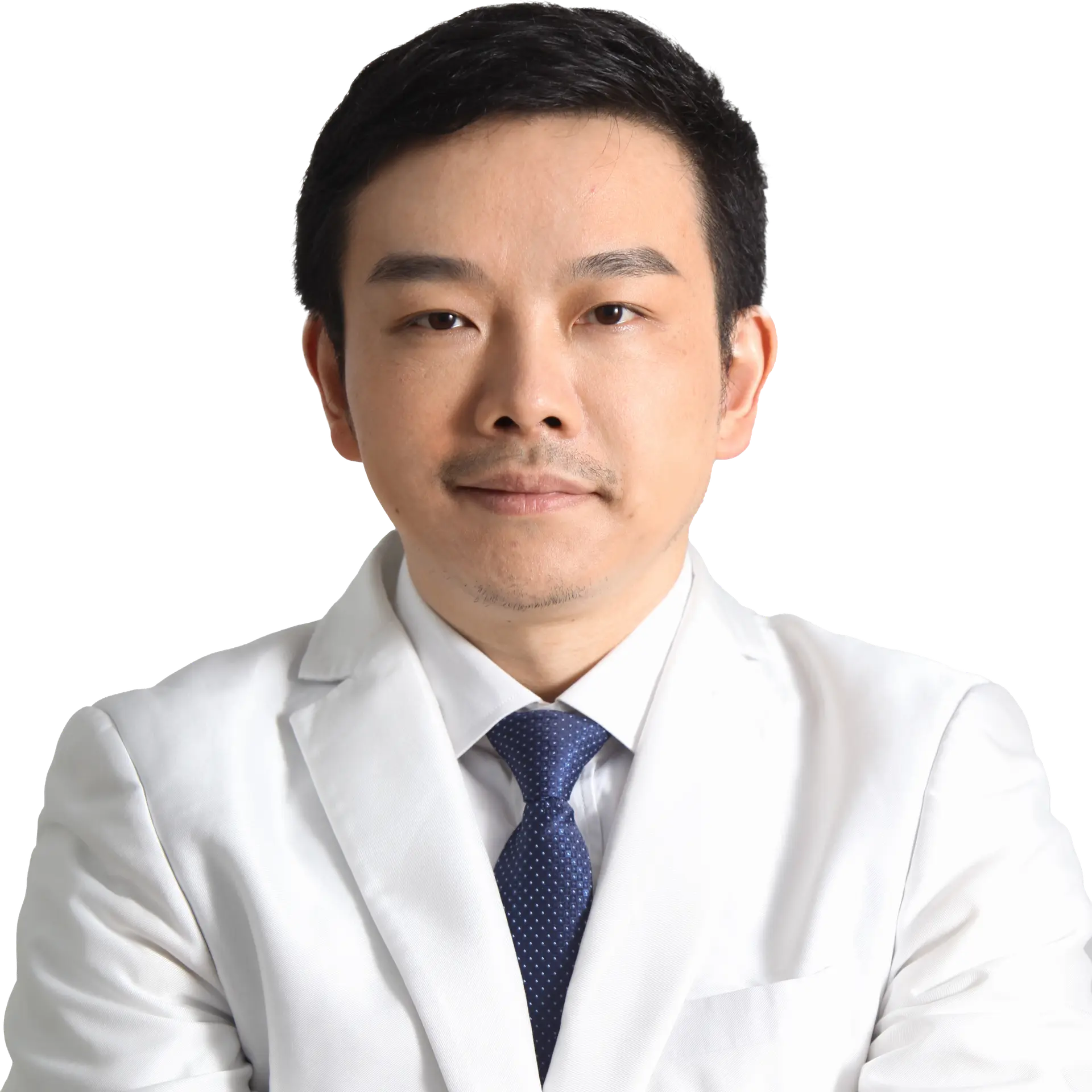
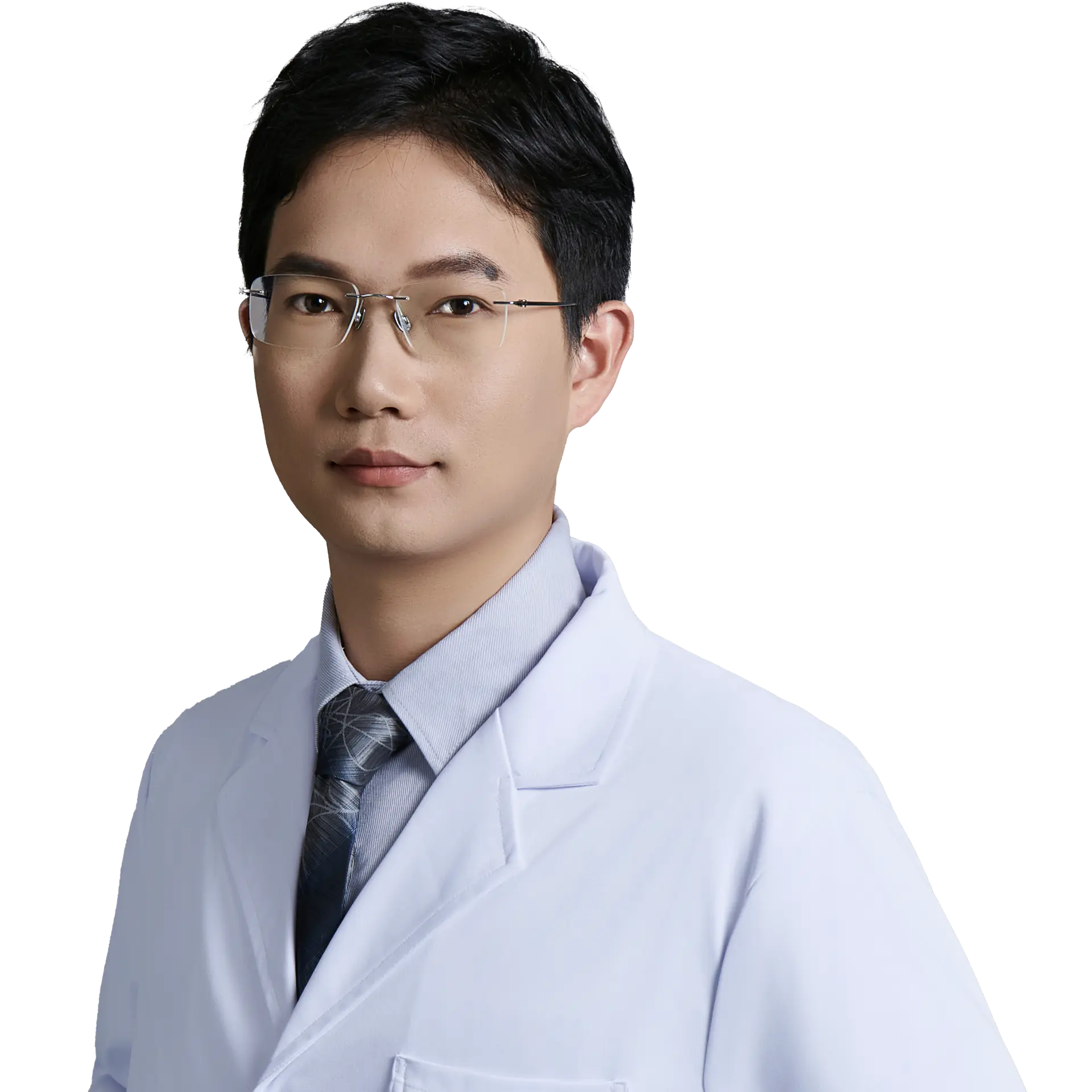
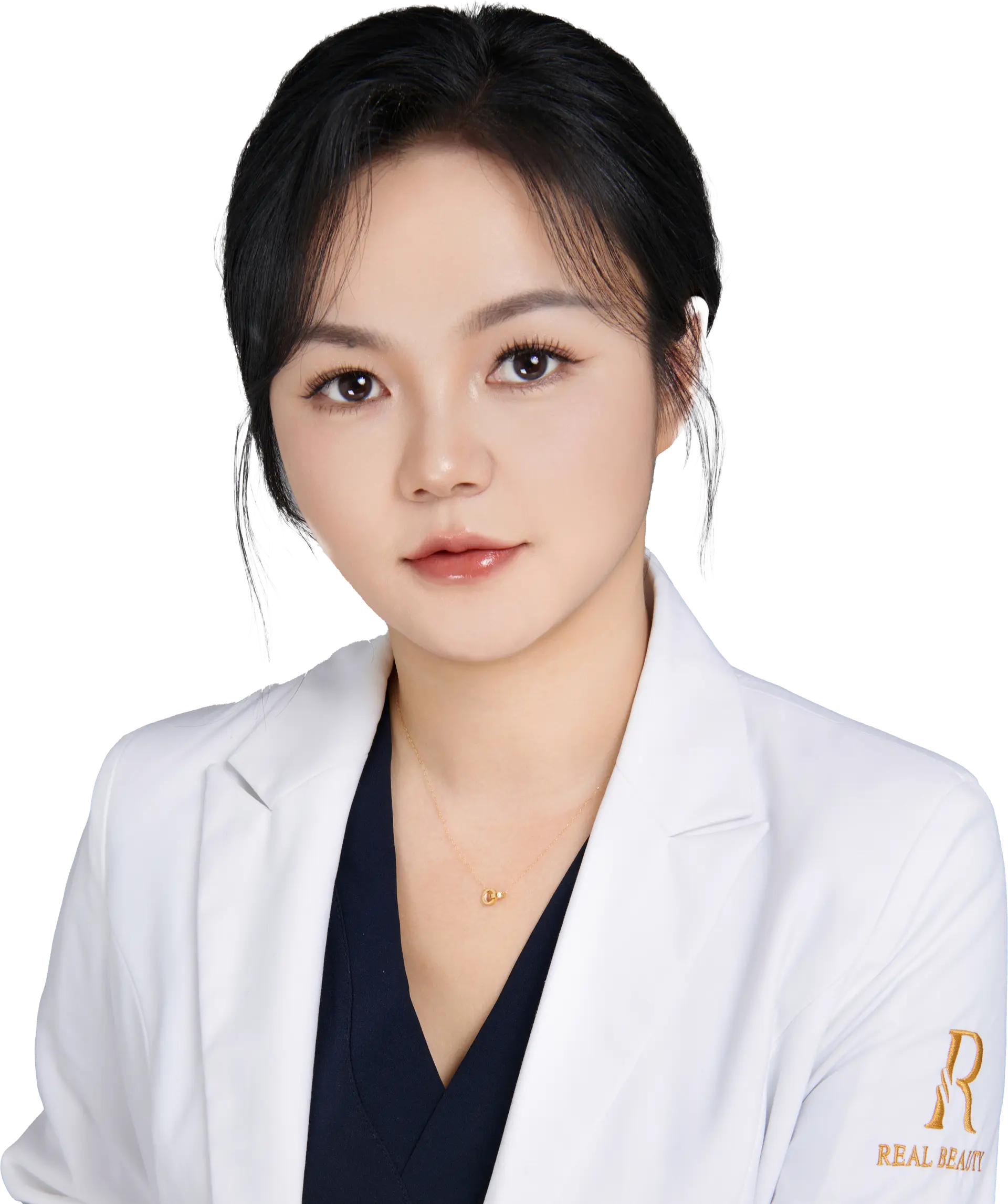
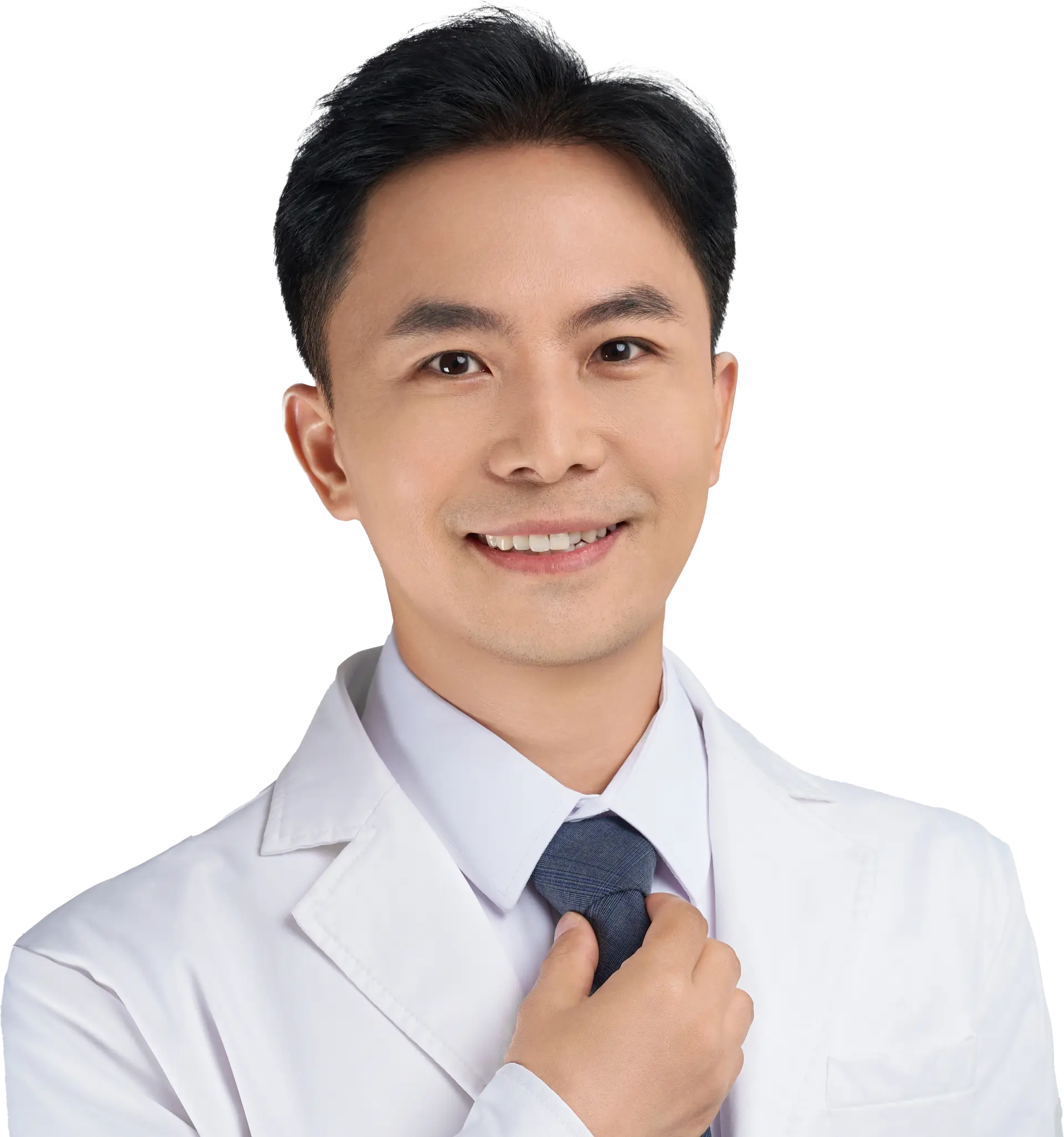
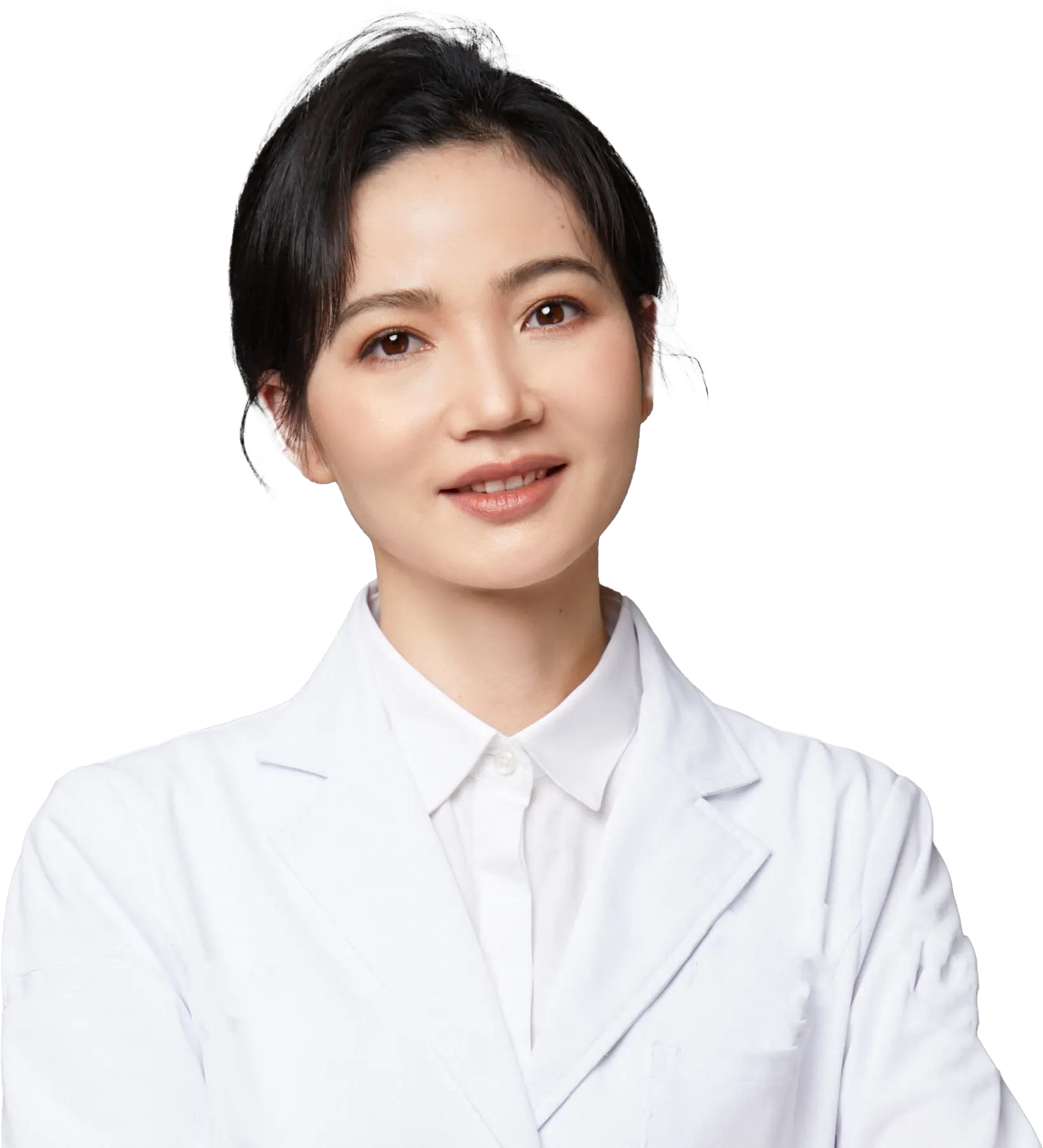
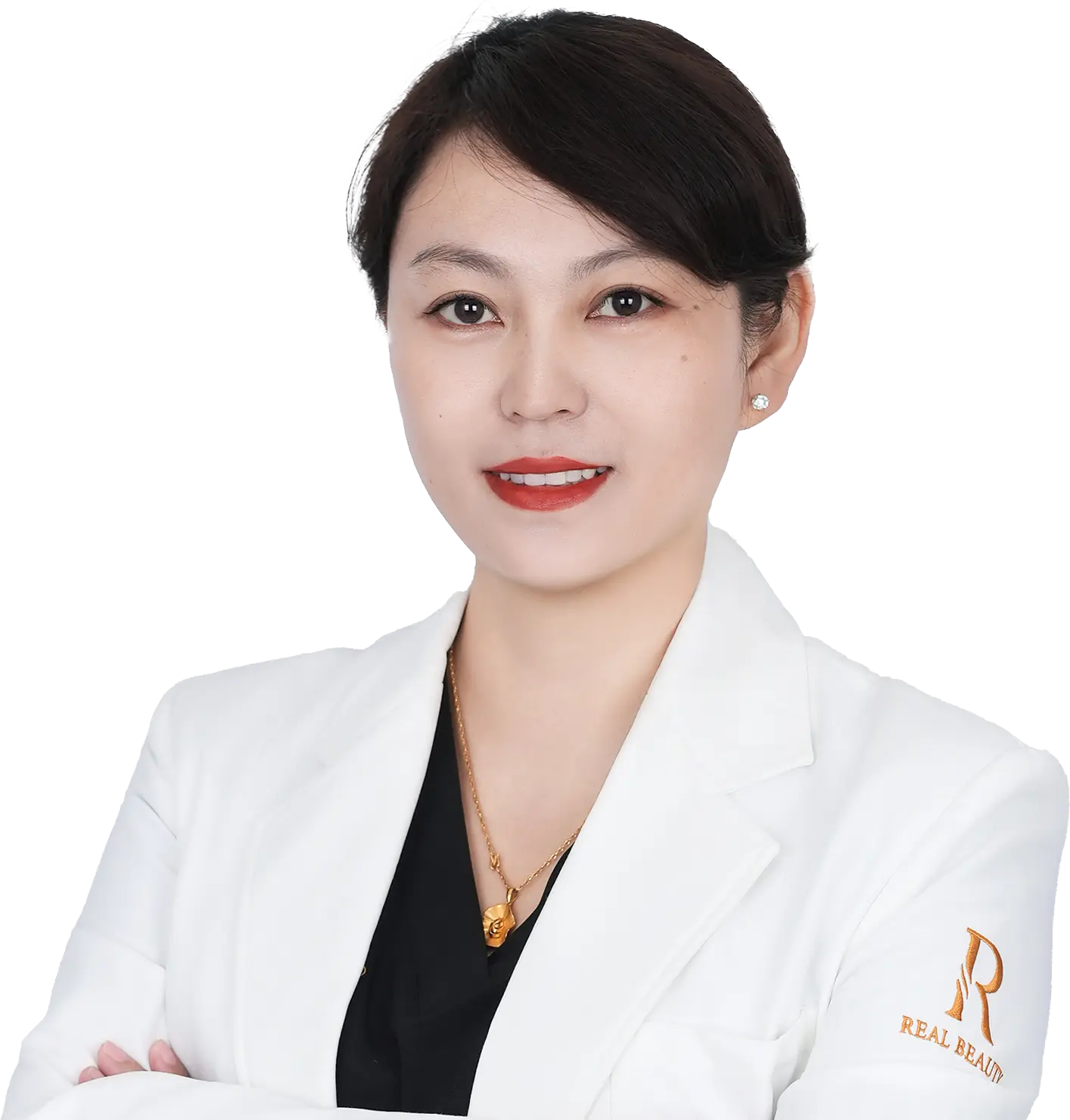







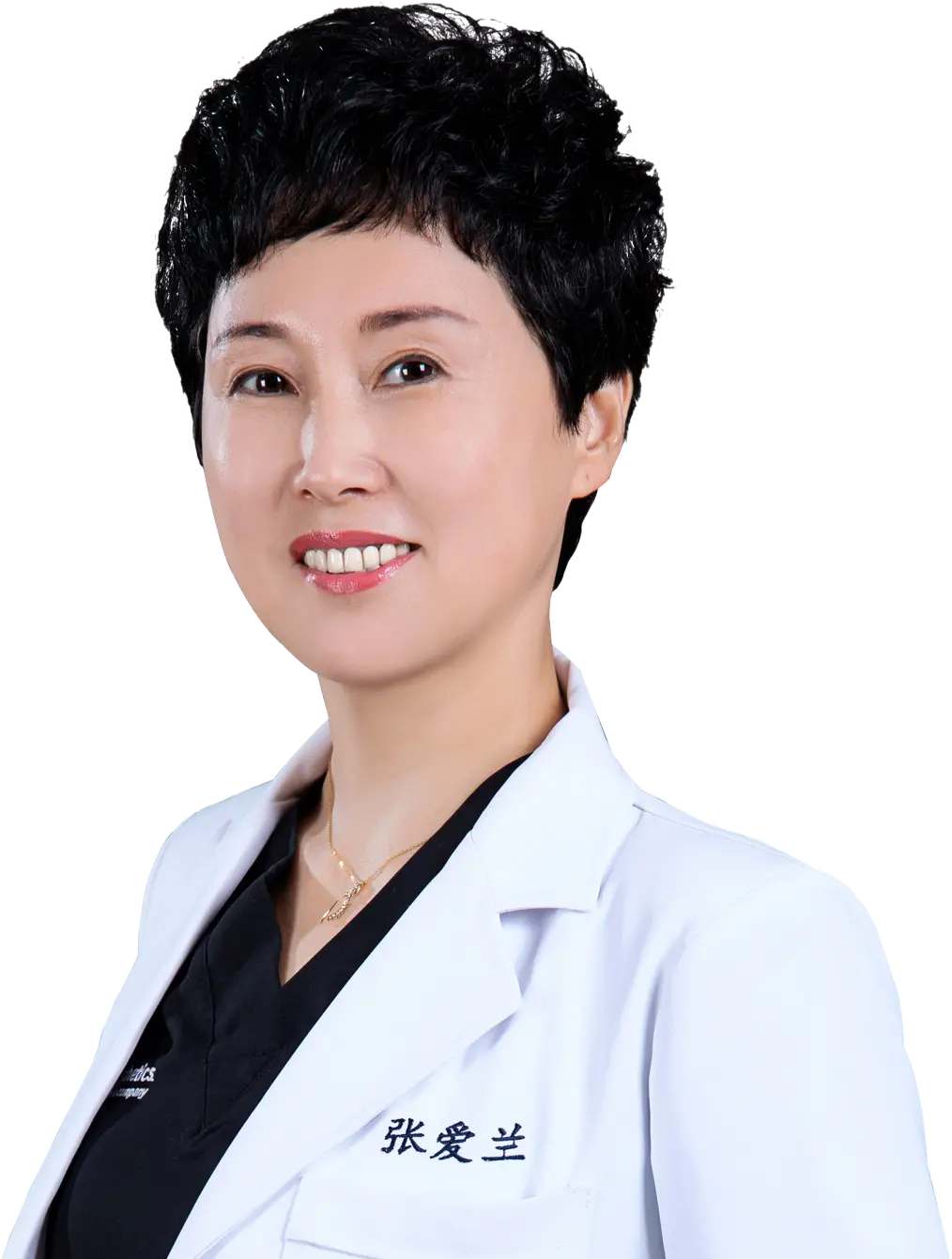
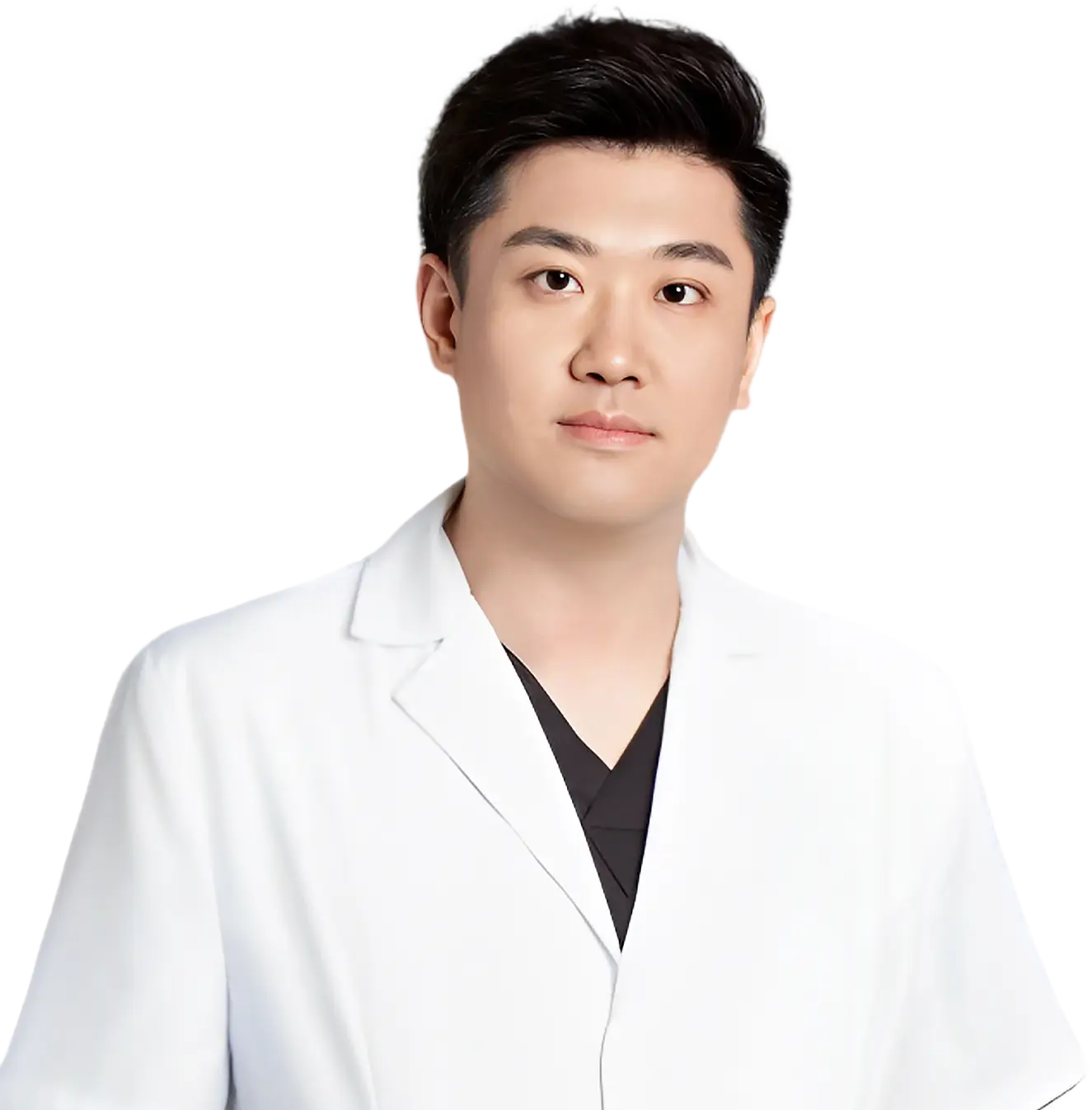
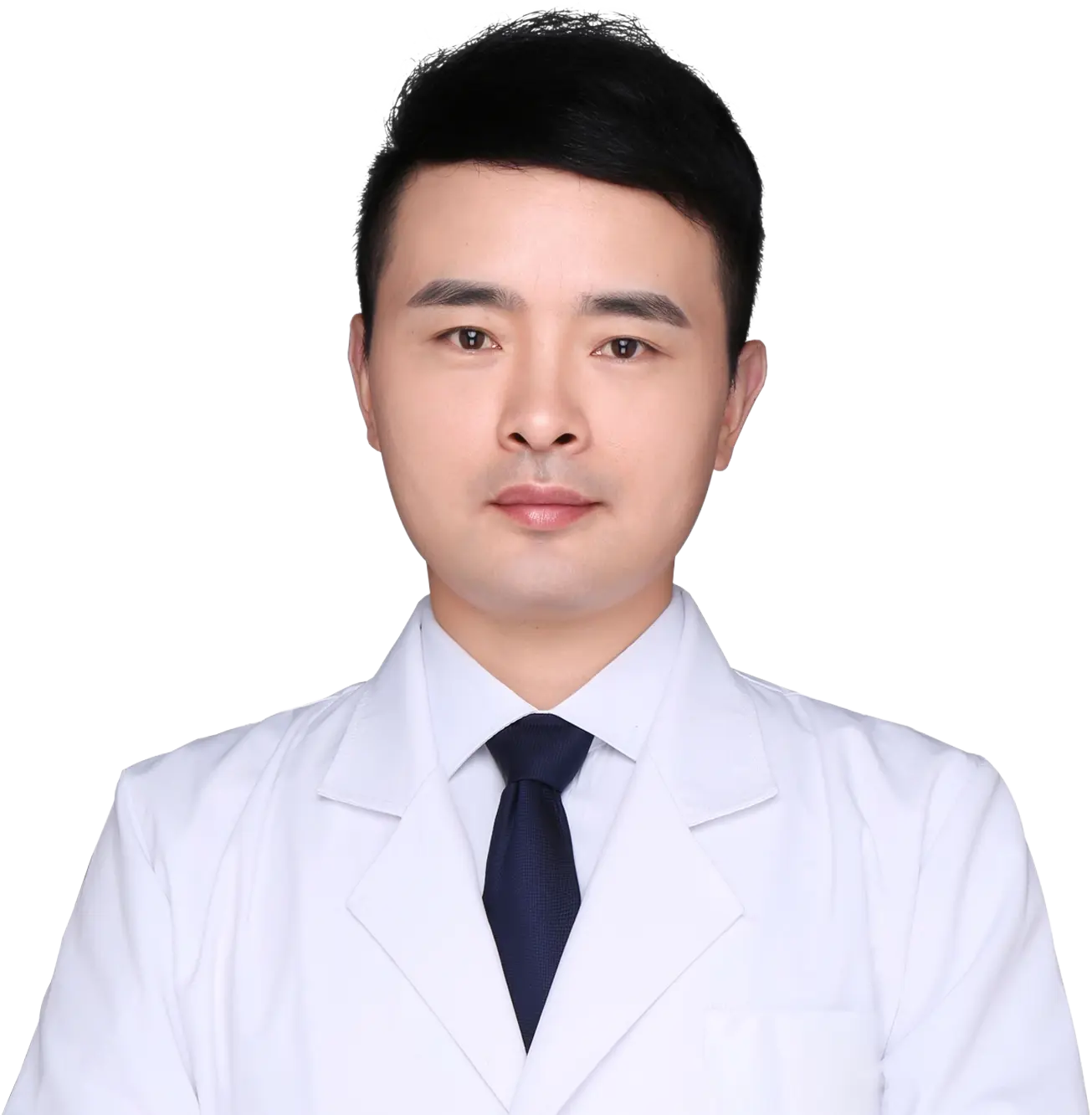
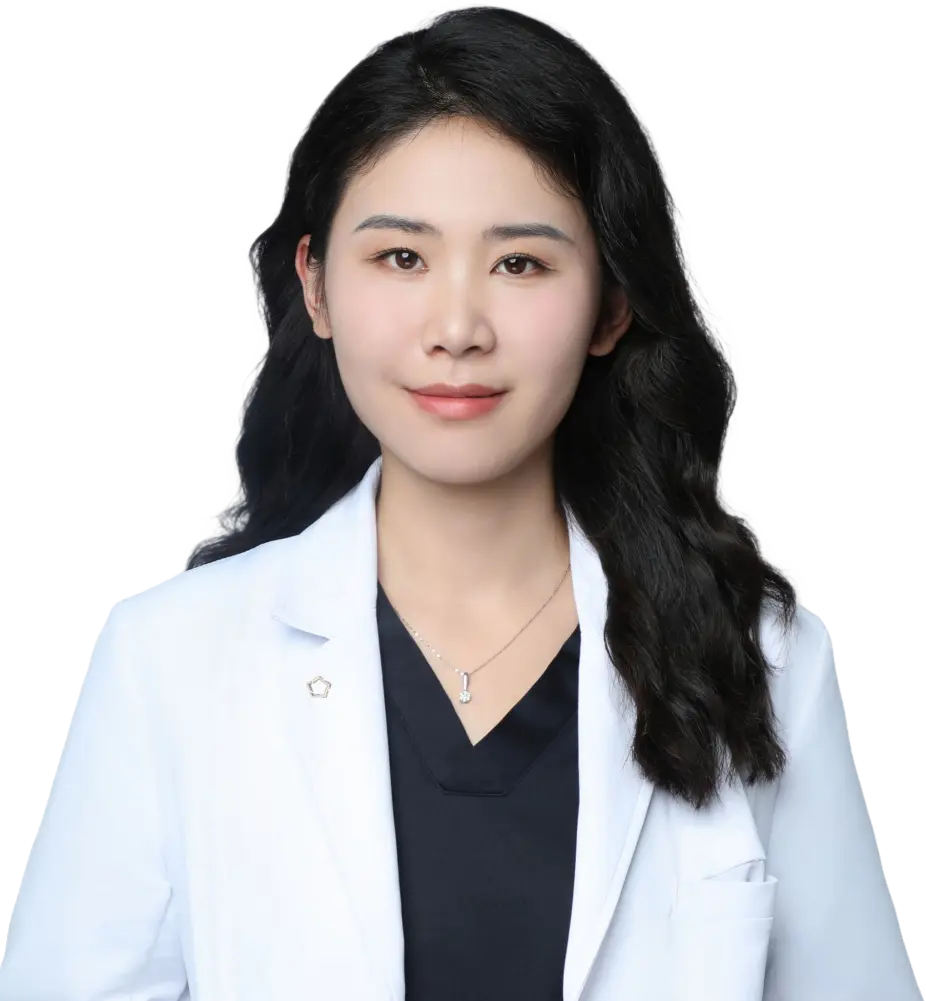



Specialists
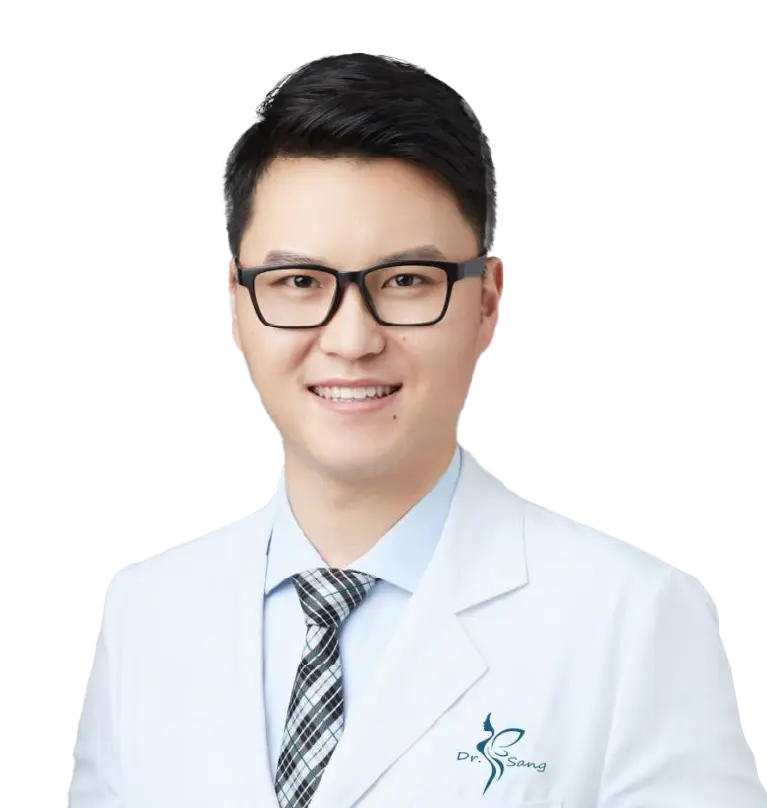
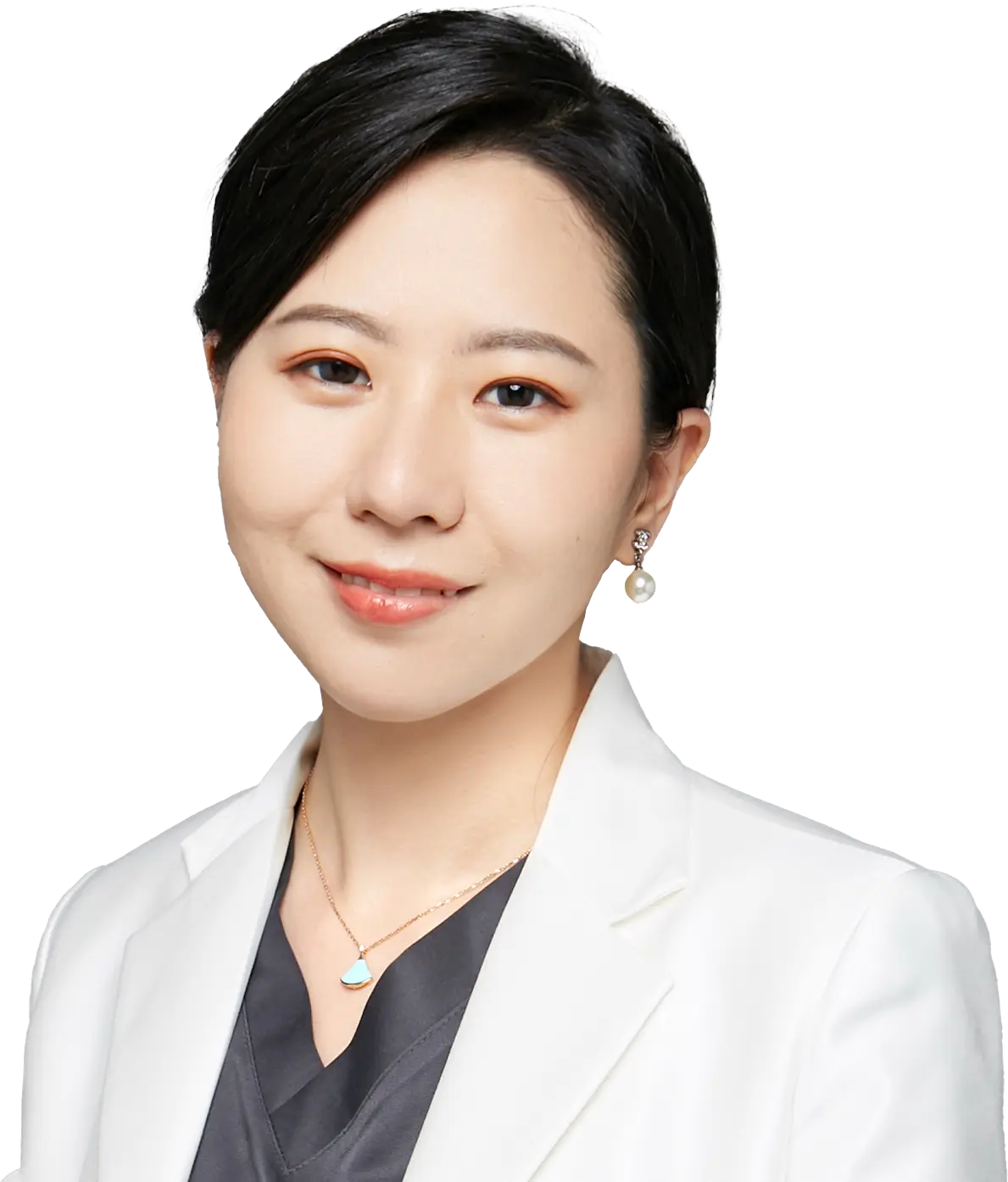
Sang Jianbo
Complications such as bleeding, infection, and inflammation may occur after surgery, and individual satisfaction may vary. Please consult a doctor.
Autologous tissue
Prioritizing natural contours and safety
Tissue survival
Recognized as the body's own tissue
A naturally beautiful nose
Low risk of rejection and minimal foreign-body sensation
Autologous cartilage
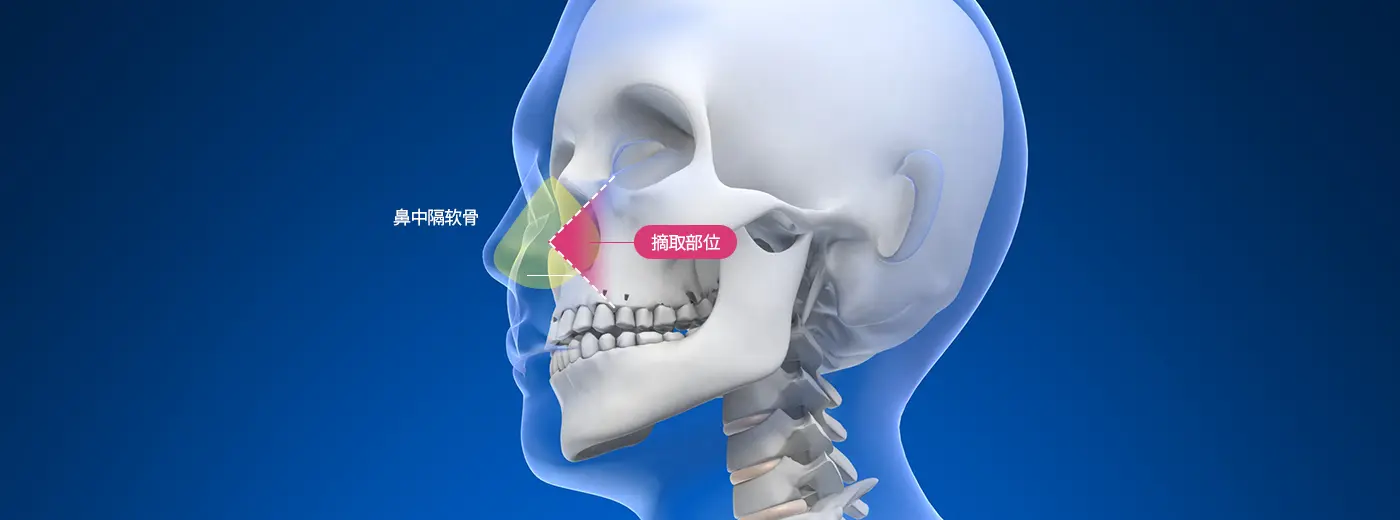
Septal cartilage is harvested from inside the nostril at an appropriate thickness and firmness. No incision elsewhere on the body is needed, and it can create a more defined nasal tip and bridge.
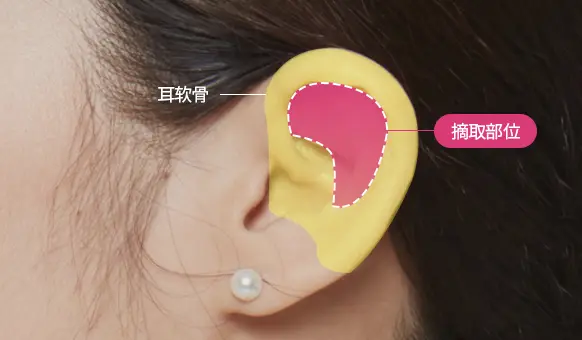
Auricular cartilage
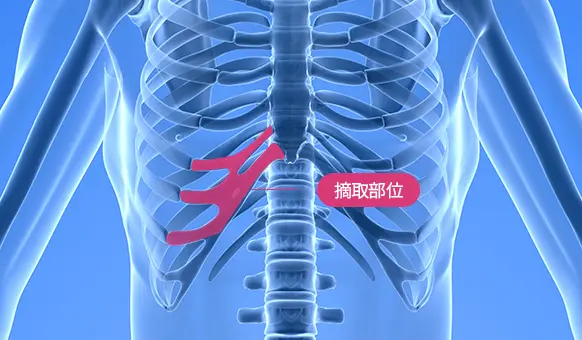
Costal cartilage is harvested from the end of a rib. Because a relatively large amount is available, it is used when auricular or septal cartilage is insufficient. Its firmness provides strong support, making it suitable for severe contracture deformity or a markedly depressed nasal bridge.
Costal cartilage
Costal cartilage is harvested from the end of a rib. Because a relatively large amount is available, it is used when auricular or septal cartilage is insufficient. Its firmness provides strong support, making it suitable for severe contracture deformity or a markedly depressed nasal bridge.
Autologous dermis
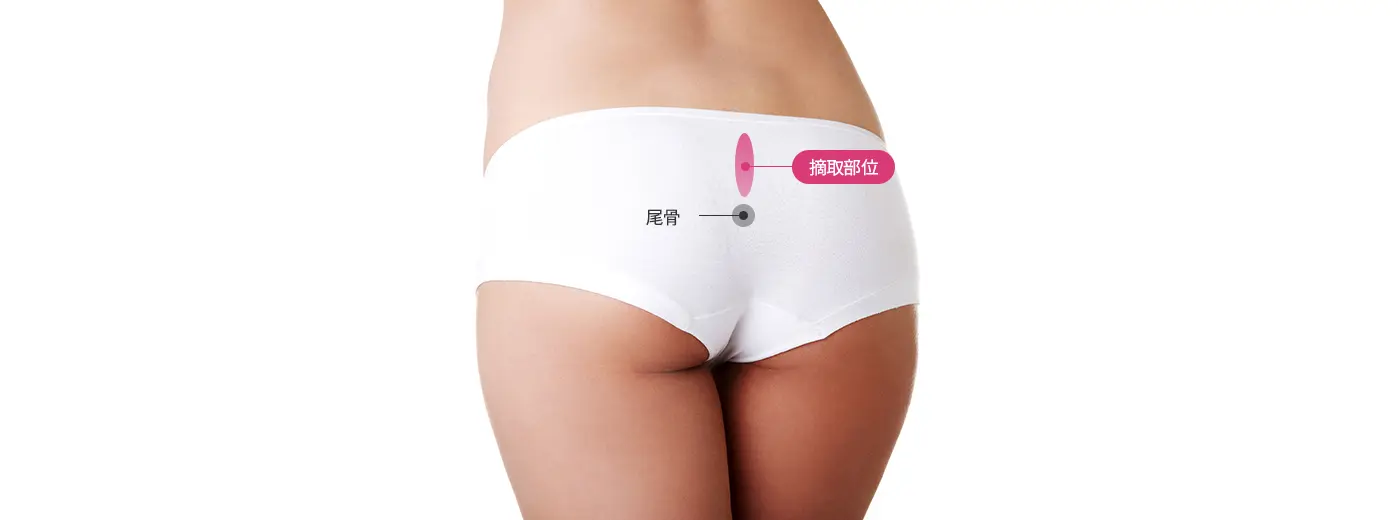
This tissue is taken from the midline buttock area near the tailbone. Multiple dermal layers are compressed together to reduce height loss from absorption, making it suitable for noses with thin skin. When combined with cartilage, it can further reduce absorption and foreign-body sensation and is well suited to creating a natural nasal shape.
Fascia
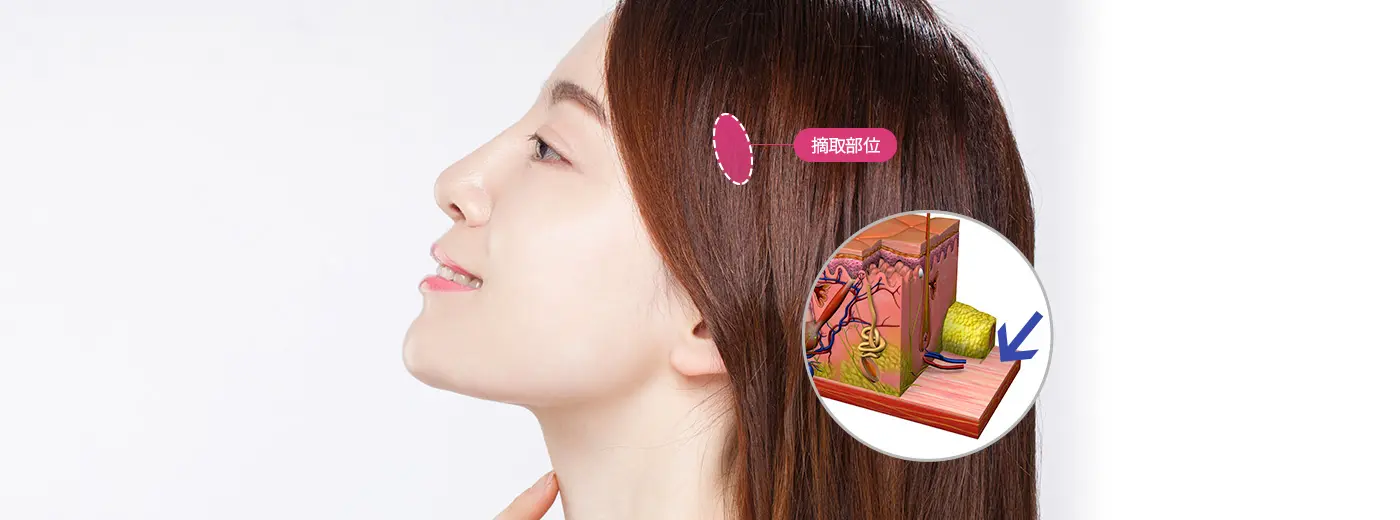
Fascia is the thin membrane surrounding muscle. It is usually harvested from beneath the scalp above the ear and used for thin skin or bridge augmentation. The scalp incision keeps the scar hidden, and the tissue is relatively accessible.
REAL handcrafted custom implant
Meticulous design
Expanded PTFE implant
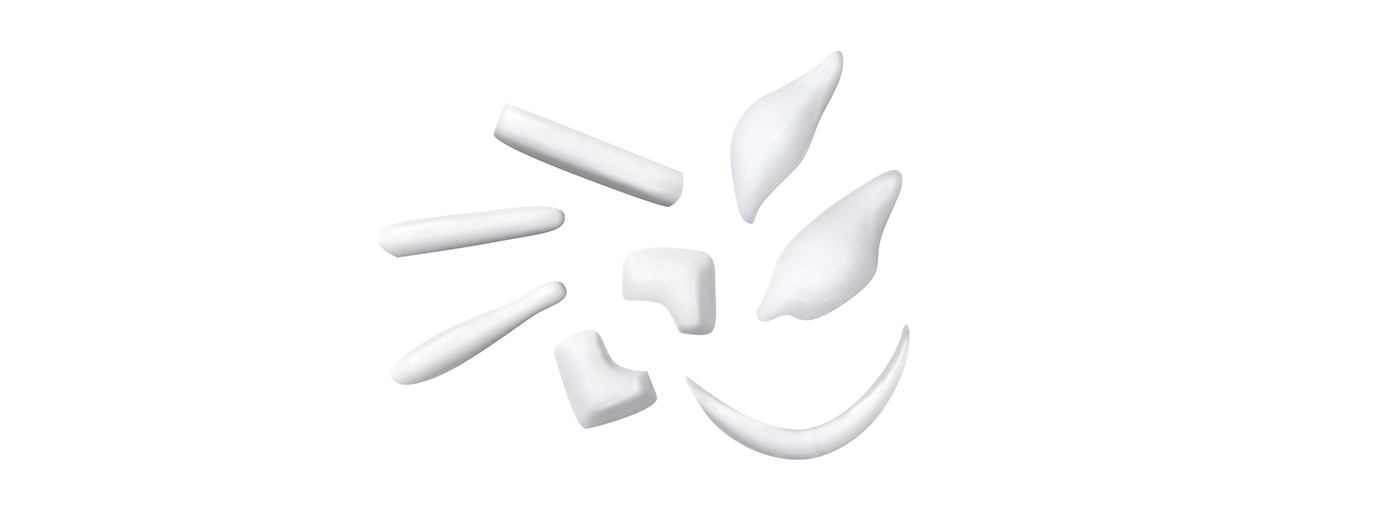
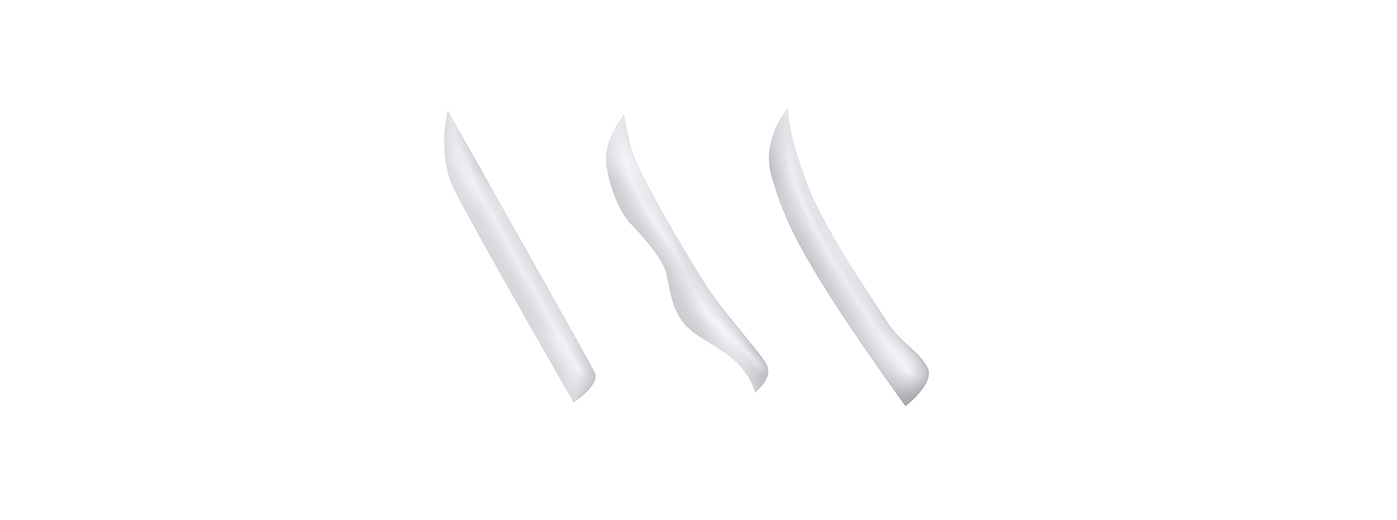
This implant is softer than silicone and creates a natural shape, so it may also be used in patients with thinner skin. Its fine porous structure integrates relatively readily with surrounding tissue. Because the material is soft and difficult to carve, extensive technical experience is needed to create and place the desired shape accurately.
Silicone implant
Silicone does not change shape or become absorbed over time after surgery. It can be carved precisely to fit the nasal form. With very thin skin, the implant may become visible, so skin condition and thickness must first be assessed carefully.
What makes REAL different?
Plastic surgeons with a thorough understanding of nasal anatomy
There is no single perfect rhinoplasty material for everyone. REAL listens to each patient and draws on 20 years of accumulated expertise to select the safest and most aesthetically appropriate material for that individual.
Technology and experience elevated to a new level
Surgical specialists
Specialists
Specialists
Specialists
Specialists
Specialists
Specialists
REAL medical team
Specialists
Specialists
Specialists
Specialists
Specialists
REAL medical team
Dermatology specialist — REAL clinic
Specialists
Specialists
Specialists
Specialists
Specialists
Specialists
Specialists
Specialists
REAL medical team
Dermatology specialist — AMAN clinic
Specialists
Specialists
Specialists
Specialists
Specialists
Specialists
REAL medical team
Dermatology specialist — REGAL clinic
Specialists
Specialists
Specialists
Specialists
Specialists
Specialists
Specialists
REAL medical team
Surgical specialists
Specialists
Specialists
Specialists
Specialists
Specialists
Specialists
Specialists
Specialists
Specialists
Specialists
Specialists
Dermatology specialist — REAL clinic
Specialists
Specialists
Specialists
Specialists
Specialists
Specialists
Specialists
Specialists
Dermatology specialist — AMAN clinic
Specialists
Specialists
Specialists
Specialists
Specialists
Specialists
Dermatology specialist — REGAL clinic
Specialists
Specialists
Specialists
Specialists
Specialists
Specialists
Specialists
A nose designed for you
If you are being treated or taking medication for high blood pressure, heart disease, diabetes, or a thyroid condition, inform your coordinator in advance.
Stop smoking before surgery because cigarettes can trigger phlegm, sneezing, and postoperative bleeding.
Observe the required fasting period before surgery.
Contact lenses, jewelry, nail products, and similar items may interfere with surgery, so remove them beforehand.
Wear comfortable clothing that will not irritate the surgical area when you come to the hospital.
You may be unable to drive after surgery.