


























































01

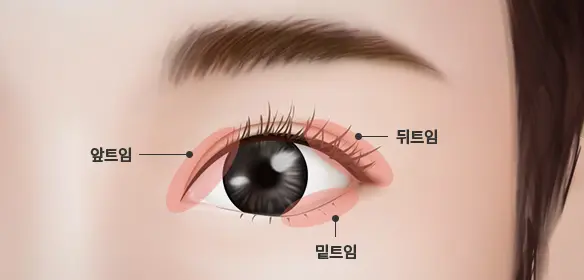
Medial epicanthoplasty
Face lifting
Complications such as bleeding, infection, and inflammation may occur after surgery, and individual satisfaction may vary. Please consult a doctor.
Canthoplasty
A little secret you may want to keep to yourself
Captivating Eyes
Who it is for
When you want brighter-looking eyes
When wide-set eyes make the face look dull
When the eyes are short horizontally and the outer corners appear closed
When upturned outer corners create a severe impression
When the visible sclera is imbalanced between the inner and outer sides
01

Face lifting
02

Endoscope
03

Mini elastic lift-up
04

Smiling while lifting weights
Incisional / Partial-Incision Eye-Shape Correction
Bright, Beautiful, Larger-Looking Eyes
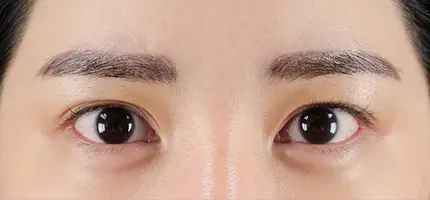
Incisional or partial-incision eye-shape correction resembles ptosis surgery, adjusting eyelid-lifting force so more of the iris is visible. Weak lifting muscles can create a tired look; adjusting levator shortening makes the eyes brighter. Because deep muscles must be adjusted, meticulous technique is essential.
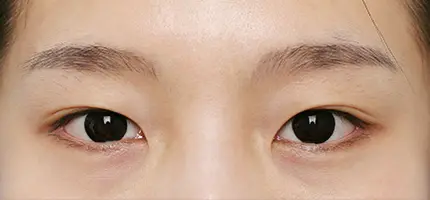
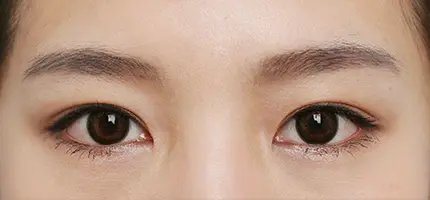
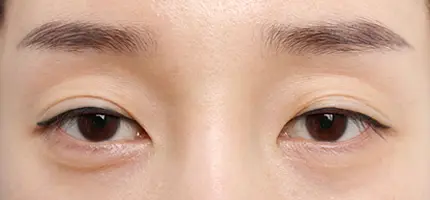
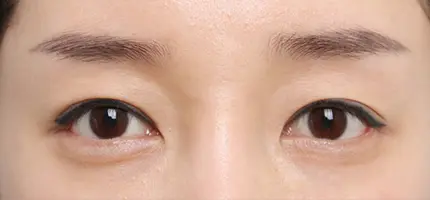
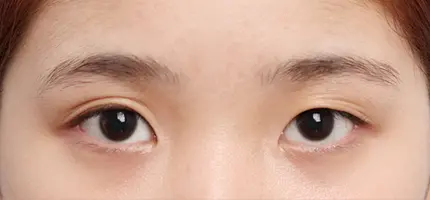
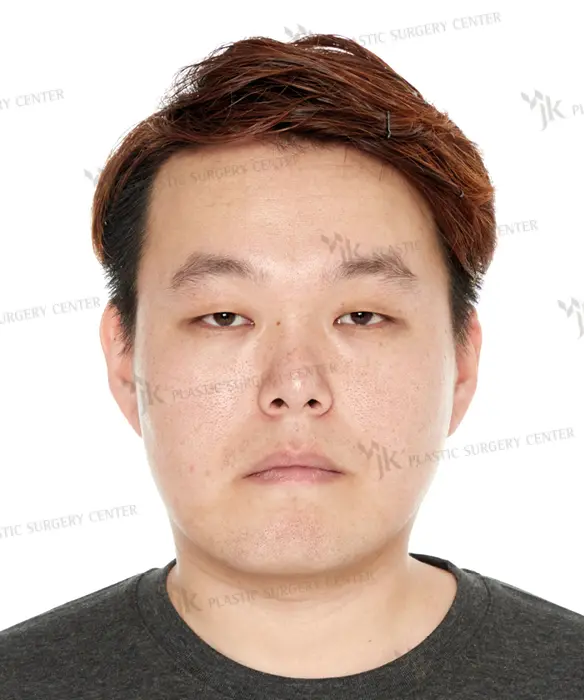
Before-and-after photos
Before
After
Images may differ from actual appearance due to shooting conditions and are published with the patient's consent.
Surgical method
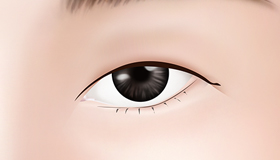
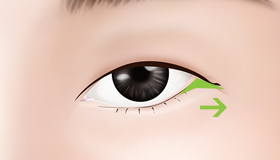
Medial epicanthoplasty using skin redraping hides the scar at the inner corner and lower lash line. It may be red initially but becomes barely visible after 2–3 months.
01
Steps
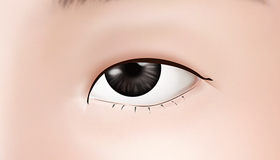
Eyes with epicanthal folds
02
Steps
Medial epicanthoplasty
03
Steps
Minimal visible scarring
Surgical method
Canthoplasty or double-eyelid surgery tailored to the individual
Anesthesia
Local anesthesia after brief sedation
Procedure time
About 30 minutes
Hospital stay
No hospital stay required
Suture removal
Day 5 after surgery
Lateral canthoplasty
Larger, brighter, more expressive eyes
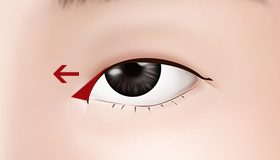
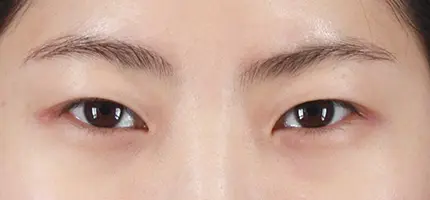
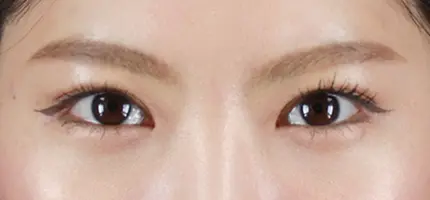
Lateral canthoplasty lengthens horizontal eye width and REAL's method is designed to resist re-adhesion. The shape is customized to the face and eyes. It suits short eyes, cases where medial surgery is unsuitable, or those seeking a better side profile. The extension is about 3–5 mm and may be more noticeable from the side.
Before-and-after photos
Before
After
Images may differ from actual appearance due to shooting conditions and are published with the patient's consent.
Surgical method
01
Steps
Eyes with short horizontal width
02
Steps
Magic lateral canthoplasty (suture removal)
03
Steps
4~5mm
Surgical method
Canthoplasty or double-eyelid surgery tailored to the individual
Anesthesia
Local anesthesia after brief sedation
Procedure time
About 30 minutes
Hospital stay
No hospital stay required
Suture removal
Day 7 after surgery
Lower lateral canthoplasty
Soft, charming eyes
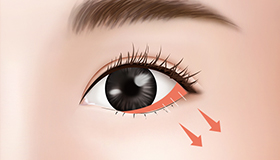
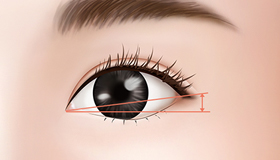
For small, closed-looking eyes, a minimal conjunctival incision allows the lower lid to be pulled down into a soft S-curve. Combined with lateral canthoplasty, it enlarges horizontal width and lower-eye openness for a gentler impression.
Before-and-after photos
Before
After
Images may differ from actual appearance due to shooting conditions and are published with the patient's consent.
Surgical method
01
Steps
Eyes with narrow, closed-looking outer corners
02
Steps
A minimal conjunctival incision is made beneath the outer corner, which is lowered to a natural angle and firmly fixed.
03
Steps
Inner conjunctival suturing keeps the scar hidden
Anesthesia
Sedation anesthesia
Procedure time
About 30 minutes
Hospital stay
No hospital stay required
Suture removal
No suture removal
Lower-eyelid lowering
Creates bright, gentle outer corners
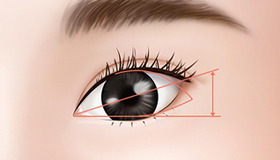
When the outer corner is over 10 degrees higher than the inner corner or is too narrow, the lower-eye muscle is pulled down through the inner conjunctiva to create a softer outer corner.
Before-and-after photos
Before
After
Images may differ from actual appearance due to shooting conditions and are published with the patient's consent.
Surgical method
01
Steps
Eyes with short horizontal width
02
Steps
Magic lateral canthoplasty (suture removal)
03
Steps
4~5mm
Anesthesia
Sedation anesthesia
Procedure time
40 minutes
Hospital stay
No hospital stay required
Suture removal
About 1 week after surgery
01
Eye-surgery specialists with over 20 years of experience
02
REAL results Proportion of referred eye-surgery patients
03
REAL results High satisfaction with surgical outcomes
Technology and experience elevated to a new level
Surgical specialists
Specialists
Specialists
Specialists
Specialists
Specialists
Specialists
REAL medical team
Specialists
Specialists
Specialists
Specialists
Specialists
REAL medical team
Dermatology specialist — REAL clinic
Specialists
Specialists
Specialists
Specialists
Specialists
Specialists
Specialists
Specialists
REAL medical team
Dermatology specialist — AMAN clinic
Specialists
Specialists
Specialists
Specialists
Specialists
Specialists
REAL medical team
Dermatology specialist — REGAL clinic
Specialists
Specialists
Specialists
Specialists
Specialists
Specialists
Specialists
REAL medical team
Surgical specialists
Specialists
Specialists
Specialists
Specialists
Specialists
Specialists
Specialists
Specialists
Specialists
Specialists
Specialists
Dermatology specialist — REAL clinic
Specialists
Specialists
Specialists
Specialists
Specialists
Specialists
Specialists
Specialists
Dermatology specialist — AMAN clinic
Specialists
Specialists
Specialists
Specialists
Specialists
Specialists
Dermatology specialist — REGAL clinic
Specialists
Specialists
Specialists
Specialists
Specialists
Specialists
Specialists
REAL reveals the secret through the eyes
Q&A
It varies with eye shape, how much of the inner lacrimal area is visible, and the distance between the outer corner and orbital rim. The usual change is about 2–3 mm.
Sutures are removed on day 5, after which makeup can cover redness. Bruising may last 1–2 weeks, and major swelling gradually resolves within about two months. Warm compresses support recovery.
If the inner corner was opened excessively or incorrectly, it may look sunken, expose too much red tissue, or make the eyes appear too close. Revision can restore a more natural appearance based on the individual's anatomy, scar, and available skin, although it may leave a larger scar.
Medial or lateral canthoplasty can increase horizontal length and make the eyes look brighter, while also smoothing an existing crease. Medial surgery depends on anatomy; if too much red lacrimal tissue is already visible, it may be difficult or provide little effect. In such cases, double-eyelid surgery may also be needed.
Because more of the eye is exposed after surgery, dryness may temporarily increase rather than improve. Artificial tears can relieve symptoms, and the surgeon will monitor recovery and provide treatment when needed.
Canthoplasty Reviews
Real Canthoplasty Cases
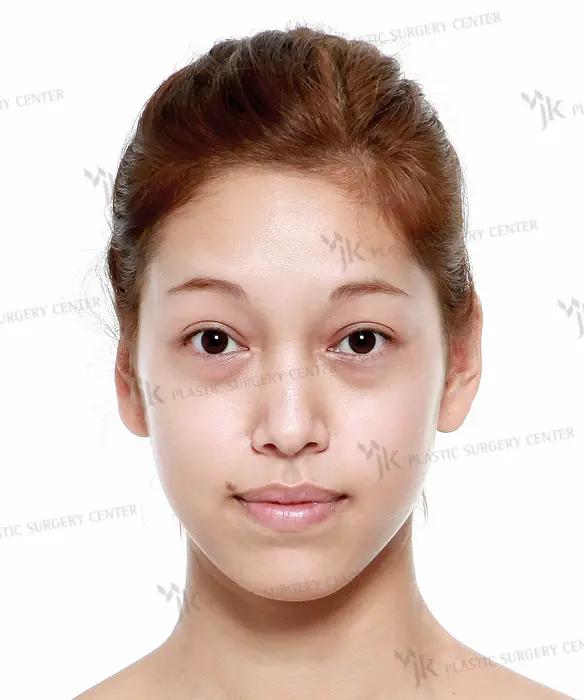
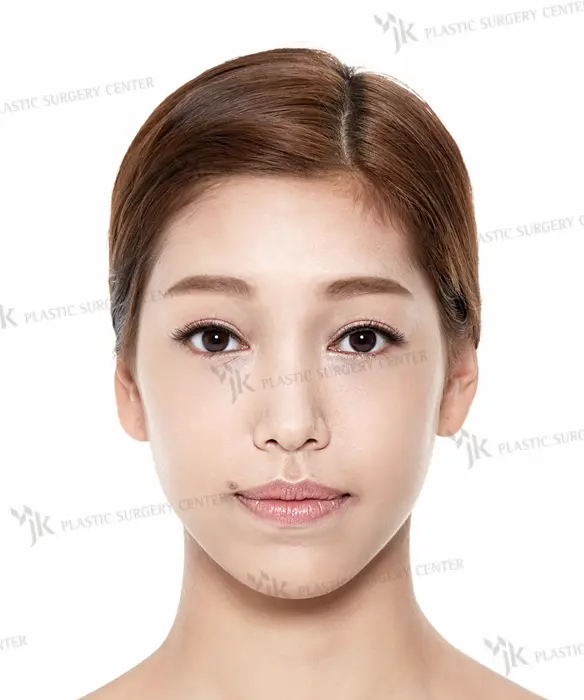
Unretouched images of patients who underwent eye surgery at K
If you are being treated or taking medication for high blood pressure, heart disease, diabetes, or a thyroid condition, inform your coordinator in advance.
Stop smoking before surgery because cigarettes can trigger phlegm, sneezing, and postoperative bleeding.
Observe the required fasting period before surgery.
Contact lenses, jewelry, nail products, and similar items may interfere with surgery, so remove them beforehand.
Wear comfortable clothing that will not irritate the surgical area when you come to the hospital.
You may be unable to drive after surgery.