



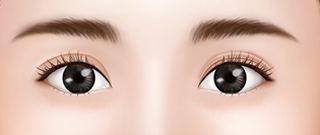
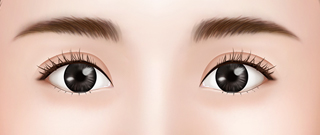
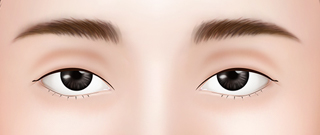
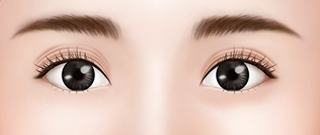
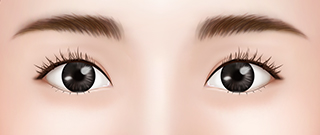
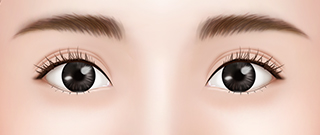
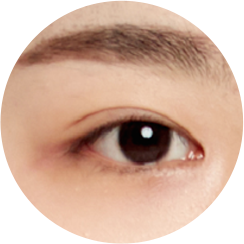
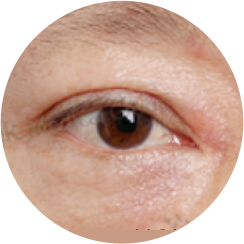
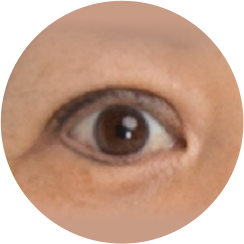
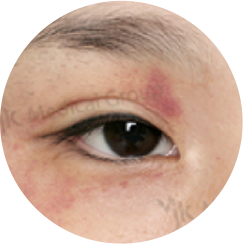





































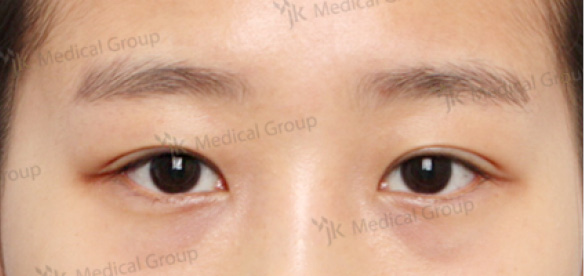
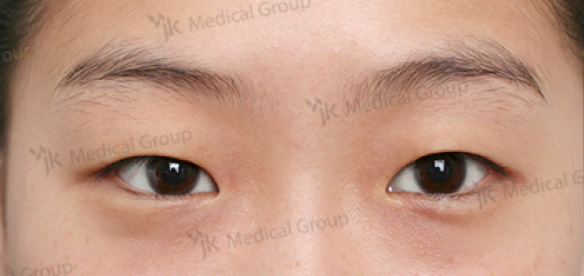
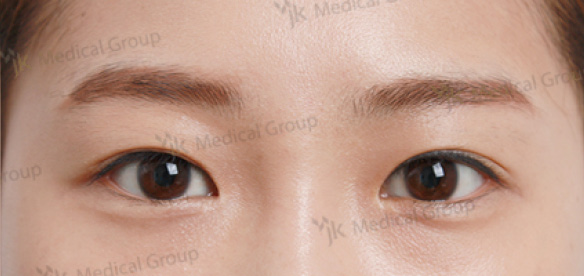







Accurate assessment
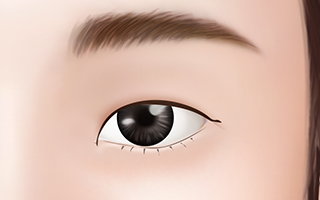
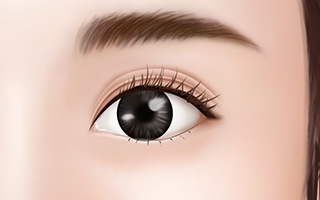
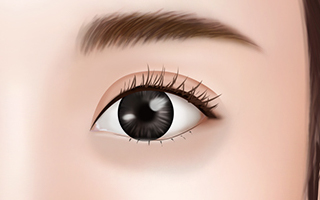
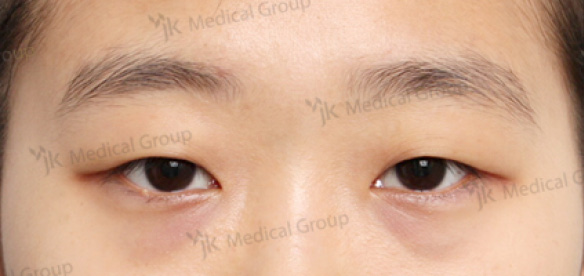
The amount of eyelid skin and fat, eye shape, crease height, symmetry, and eyelid muscles must first be assessed precisely. A reliable evaluation is possible only at least six months after the previous operation.
Complications such as bleeding, infection, and inflammation may occur after surgery, and individual satisfaction may vary. Please consult a doctor.
NEVER AGAIN
Treat this as the final revision. An accurate decision about whether eye revision surgery is needed can be made only at least six months after the previous operation. Because tissue damage from the earlier surgery makes correction technically demanding, it is essential to choose a skilled plastic surgeon with extensive eye-surgery experience.
Accurate assessment
The amount of eyelid skin and fat, eye shape, crease height, symmetry, and eyelid muscles must first be assessed precisely. A reliable evaluation is possible only at least six months after the previous operation.
Meticulous design
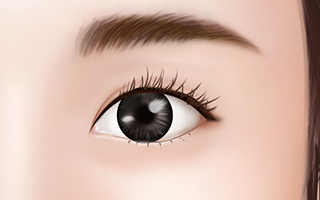
For a more refined revision, the eyelid lines are designed three times before surgery: once during consultation, once while seated in the operating room, and once while lying on the operating table.
Surgery by an experienced specialist
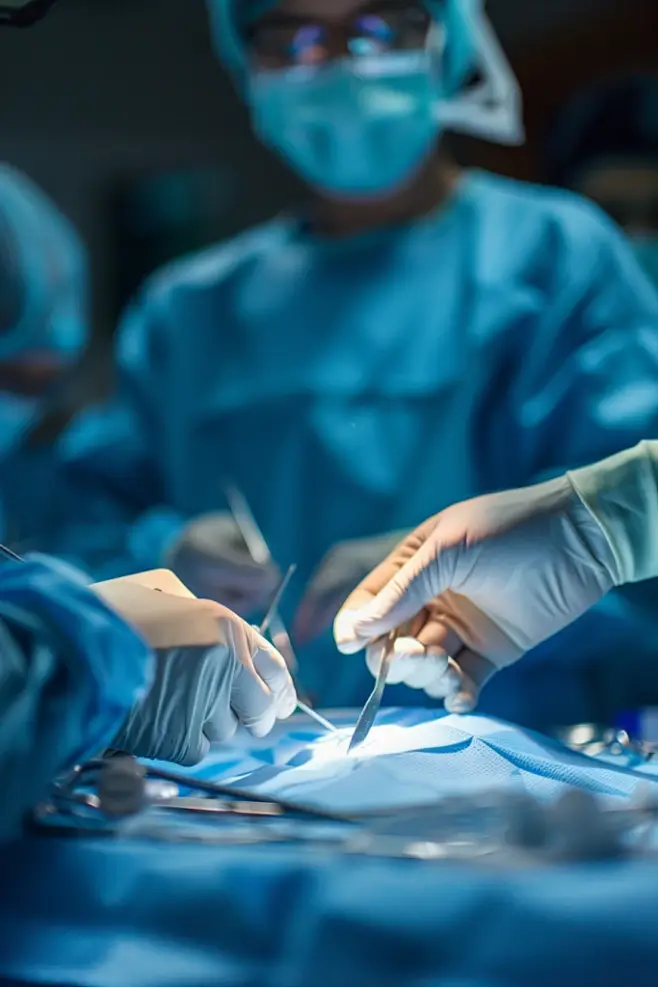
A specialist with more than 20 years of eye-surgery experience personally performs the operation, with one-to-one care from an anesthesiology and pain-medicine specialist.
Attentive postoperative care
REAL patients consistently report not only a more natural result, but also redness, swelling, and bruising that subside faster than expected.
Treat this as the final revision. An accurate decision about whether eye revision surgery is needed can be made only at least six months after the previous operation. Because tissue damage from the earlier surgery makes correction technically demanding, it is essential to choose a skilled plastic surgeon with extensive eye-surgery experience.
The amount of eyelid skin and fat, eye shape, crease height, symmetry, and eyelid muscles must first be assessed precisely. A reliable evaluation is possible only at least six months after the previous operation.
For a more refined revision, the eyelid lines are designed three times before surgery: once during consultation, once while seated in the operating room, and once while lying on the operating table.
A specialist with more than 20 years of eye-surgery experience personally performs the operation, with one-to-one care from an anesthesiology and pain-medicine specialist.
REAL patients consistently report not only a more natural result, but also redness, swelling, and bruising that subside faster than expected.
Successful surgery =
Accurate diagnosis + an effective method
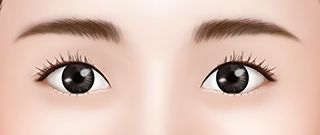
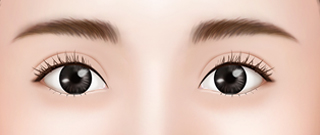
Widening a narrow eyelid crease
Narrowing a wide eyelid crease
Asymmetric eyelid creases
An excessively deep eyelid crease
Tired-looking eyes
Multiple eyelid folds
An eyelid crease that is too short
A prominent eyelid-crease scar
When eye revision surgery may be needed
The crease is poorly defined and satisfaction has decreased
Dissatisfaction was present from the beginning after the previous surgery
The eyes have become unnatural in appearance
Inflammation or other adverse effects do not improve
Outstanding expertise and experience
01


The most important purpose of revision surgery is to resolve the problems caused by the previous operation. Proceeding blindly without addressing their cause is like tightening a tangled knot and can leave even greater problems behind.
To create more harmonious eyes, the plan aims to transform the shortcomings of the previous operation into natural-looking strengths as much as possible.
The surgeon’s skill is paramount in revision surgery. The doctor must be capable of solving the underlying problem and have substantial clinical experience. REAL eye-surgery specialists with more than 20 years of experience address your concerns.
Technology and experience elevated to a new level
Surgical specialists
Specialists
Specialists
Specialists
Specialists
Specialists
Specialists
REAL medical team
Specialists
Specialists
Specialists
Specialists
Specialists
REAL medical team
Dermatology specialist — REAL clinic
Specialists
Specialists
Specialists
Specialists
Specialists
Specialists
Specialists
Specialists
REAL medical team
Dermatology specialist — AMAN clinic
Specialists
Specialists
Specialists
Specialists
Specialists
Specialists
REAL medical team
Dermatology specialist — REGAL clinic
Specialists
Specialists
Specialists
Specialists
Specialists
Specialists
Specialists
REAL medical team
Surgical specialists
Specialists
Specialists
Specialists
Specialists
Specialists
Specialists
Specialists
Specialists
Specialists
Specialists
Specialists
Dermatology specialist — REAL clinic
Specialists
Specialists
Specialists
Specialists
Specialists
Specialists
Specialists
Specialists
Dermatology specialist — AMAN clinic
Specialists
Specialists
Specialists
Specialists
Specialists
Specialists
Dermatology specialist — REGAL clinic
Specialists
Specialists
Specialists
Specialists
Specialists
Specialists
Specialists
REAL reveals the secret through the eyes
Q&A
Revision should generally be performed only after the condition has stabilized, at least six months after the previous surgery. Timing varies with each person’s eyes, so decide after discussing it with a plastic-surgery specialist.
Not necessarily. If laxity and drooping are not severe, correction may be possible without an incision. The appropriate method depends on the individual eye shape and condition.
If the previous operation left a scar, the revision is designed and performed to remove as much of it as possible rather than make it worse. This is why an experienced plastic-surgery specialist is essential.
Many patients expect more bruising, redness, and swelling after revision than after the previous operation, but recovery varies by individual. Revision surgery does not necessarily require a longer recovery.
How the procedure is performed
Only when it is truly necessary
Double-eyelid surgery methods
Canthoplasty methods
Eye-shape correction methods
Dark circles
Eye Surgery Reviews
Real Eye Surgery Cases
Unretouched images of patients who underwent eye surgery at K
If you are being treated or taking medication for high blood pressure, heart disease, diabetes, or a thyroid condition, inform your coordinator in advance.
Stop smoking before surgery because cigarettes can trigger phlegm, sneezing, and postoperative bleeding.
Observe the required fasting period before surgery.
Contact lenses, jewelry, nail products, and similar items may interfere with surgery, so remove them beforehand.
Wear comfortable clothing that will not irritate the surgical area when you come to the hospital.
You may be unable to drive after surgery.