





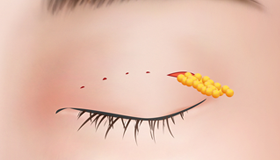
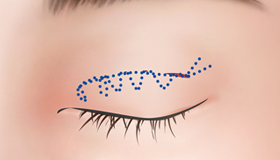
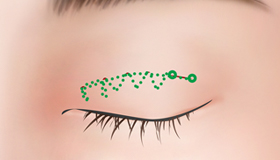


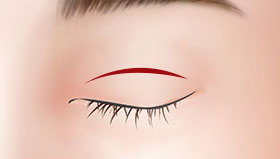





































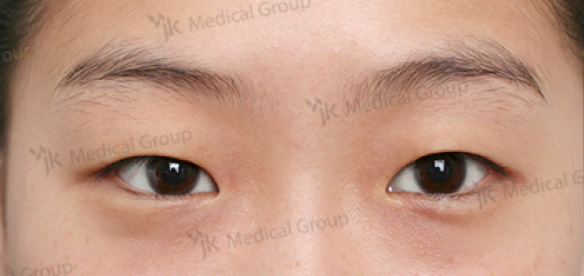
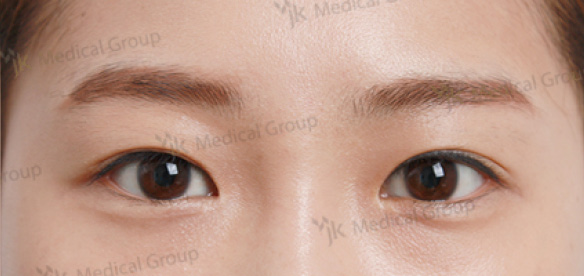






Suture method
Face lifting
Complications such as bleeding, infection, and inflammation may occur after surgery, and individual satisfaction may vary. Please consult a doctor.

Face lifting

Endoscope

Mini elastic lift-up
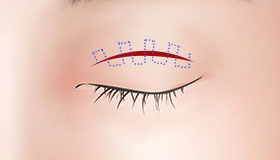
Suture method
One thread, one correction—simple and effective
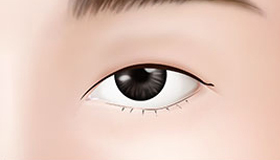
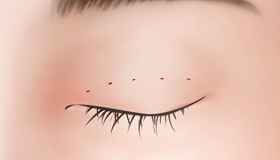
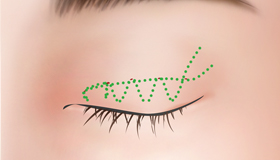
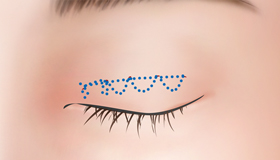
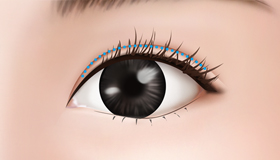
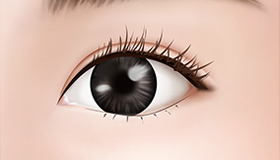
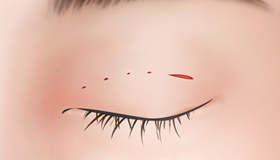
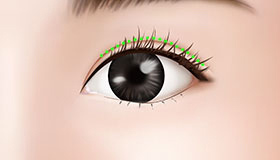
The suture method creates a smooth, natural crease by securing a thread through tiny openings in the eyelid. The crease width is planned according to eye shape and proportion. Because the openings are very small, scarring is minimal and recovery is short. It is well suited to thin eyelids with little fat and to mild drooping caused by eyelid tape, glue, or aging.
Surgical method
01
Steps
Before surgery
02
Steps
Small openings
03
Steps
Single-knot continuous suture method
04
Steps
Performed with a single thread
05
Steps
No incision closure required
06
Steps
After surgery
Anesthesia
Local anesthesia after brief sedation
Procedure time
30–40 minutes
Hospital stay
No hospital stay required
Suture removal
No suture removal
Partial-incision method
Combines the benefits of incision and non-incision methods for a natural result and quick recovery
This technique lies between the full-incision and suture methods. It suits upper eyelids with more fat or loose skin and patients concerned about visible scars. Two or three small 3–4 mm incisions are made along the crease, then the levator muscle is connected to the dermis. Surgery time, scarring, result, and recovery fall between the other two methods.
Surgical method
01
Steps
Before surgery
02
Steps
Incision
03
Steps
Fat removal
04
Steps
Connecting the levator muscle to the dermis
05
Steps
Suturing
06
Steps
After surgery
Anesthesia
Local anesthesia after brief sedation
Procedure time
40 minutes–1 hour
Hospital stay
No hospital stay required
Suture removal
Day 4 after surgery
Full-incision method
Clearer, more defined, and tailored to you
The full-incision method suits loose upper-eyelid skin, thick fat, ptosis, marked eye asymmetry, or a preference for a clearly defined crease. An incision is made along the planned crease; excess tissue is removed when needed, and the levator muscle is connected to the dermis to form a natural yet distinct crease.
Surgical method
01
Steps
Before surgery
02
Steps
Incision
03
Steps
Fat removal
04
Steps
Connecting the levator muscle to the dermis
05
Steps
Suturing
06
Steps
After surgery
Anesthesia
Local anesthesia after brief sedation
Procedure time
40 minutes–1 hour
Hospital stay
No hospital stay required
Suture removal
Day 4–5 after surgery
01
Eye-surgery specialists with over 20 years of experience
02
REAL results Proportion of referred eye-surgery patients
03
REAL results High satisfaction with surgical outcomes
Technology and experience elevated to a new level
Surgical specialists
Specialists
Specialists
Specialists
Specialists
Specialists
Specialists
REAL medical team
Specialists
Specialists
Specialists
Specialists
Specialists
REAL medical team
Dermatology specialist — REAL clinic
Specialists
Specialists
Specialists
Specialists
Specialists
Specialists
Specialists
Specialists
REAL medical team
Dermatology specialist — AMAN clinic
Specialists
Specialists
Specialists
Specialists
Specialists
Specialists
REAL medical team
Dermatology specialist — REGAL clinic
Specialists
Specialists
Specialists
Specialists
Specialists
Specialists
Specialists
REAL medical team
Surgical specialists
Specialists
Specialists
Specialists
Specialists
Specialists
Specialists
Specialists
Specialists
Specialists
Specialists
Specialists
Dermatology specialist — REAL clinic
Specialists
Specialists
Specialists
Specialists
Specialists
Specialists
Specialists
Specialists
Dermatology specialist — AMAN clinic
Specialists
Specialists
Specialists
Specialists
Specialists
Specialists
Dermatology specialist — REGAL clinic
Specialists
Specialists
Specialists
Specialists
Specialists
Specialists
Specialists
REAL reveals the secret through the eyes
Q&A
Swelling varies by surgical method and individual condition. After about two weeks it can usually be covered with makeup, and most swelling subsides within one month. A fully natural result may take 6–12 months.
A non-incisional method does not directly mean the crease will loosen. The technique is selected according to eyelid anatomy. For thin eyelids with little fat, the chance of loosening remains low even with a non-incisional method.
Naturalness depends on the height and design of the crease, not simply on the method. Even a non-incisional crease can look unnatural if it is set too high.
Use cold compresses during the first three days when swelling is greatest. After that, warm compresses can promote circulation and help swelling resolve. Use an ice pack for cooling and a warm towel for heating.
After non-incisional surgery, wash three days after bandage removal; after incisional surgery, wash 4–5 days after suture removal. Wash gently at first. Surgery time: suture method 30 minutes; partial incision 40 minutes; full incision 1 hour Anesthesia: light sedation or sedative therapy Hospitalization: same-day discharge after 1–2 hours of recovery
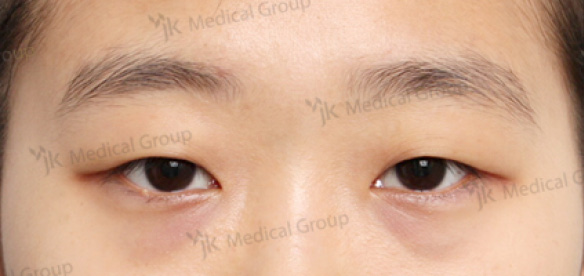
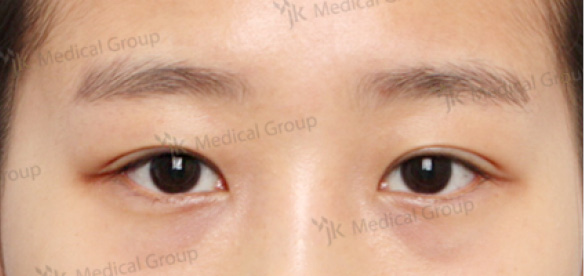
Eye surgery before-and-after photos
Real Eye Surgery Cases
Unretouched images of patients who underwent eye surgery at K
If you are being treated or taking medication for high blood pressure, heart disease, diabetes, or a thyroid condition, inform your coordinator in advance.
Stop smoking before surgery because cigarettes can trigger phlegm, sneezing, and postoperative bleeding.
Observe the required fasting period before surgery.
Contact lenses, jewelry, nail products, and similar items may interfere with surgery, so remove them beforehand.
Wear comfortable clothing that will not irritate the surgical area when you come to the hospital.
You may be unable to drive after surgery.